

Updated 19:22 AM EDT, NOV 04, 2026 by HUGO ARENDT
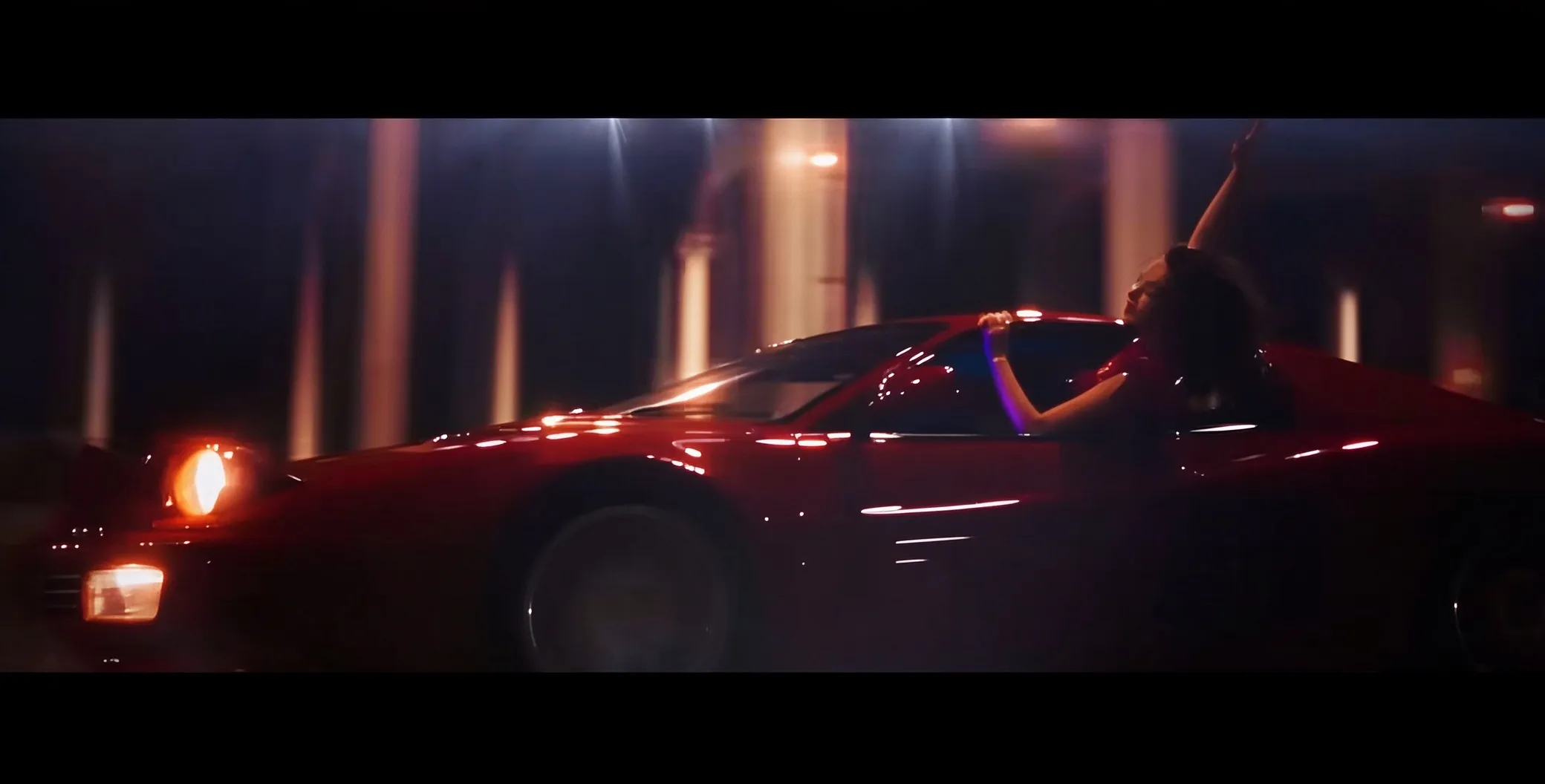
如果回忆一下你开着车的时候,在记忆中最难忘的片段大概会是怎样的?
我猜你这段最美好的回忆已经有年份了,年岁很重要,我也猜你大概率的场景是有亲密伴侣在身边,在繁华都市华灯初放时的一次酣畅的旅程。这是汽车这种东西最让人感觉不可思议的地方:它让你最难忘的,永远都是做这些很不实在的事情的时候,你绝不可能会对赶着上下班或者载着一帮人通勤或者一堆货物的时候有任何一丝丝美好的回忆。而且当你有条件买到心中喜欢的车的时候,你大概率不会再有机会获得难忘的回忆,所以你一般都要用成熟了的人看来错得离谱的办法弄到你喜欢的车,或者坐上这样的一辆车。贷款是少不免的,而且彻底超出能力范围地去买你喜欢的东西去坐上这样的车,也是少不免的,又或者家里在那个时候有这样的条件,去获得这样的一辆车,家里人宠爱着你,从不过问你何德何能养起这样的一辆车,也是相当自然的,少不免的,这算是多大的事呢?钱以后加倍努力慢慢挣回来不就可以了?
在今天看来,这些当然都是错得离谱的,会让人面红耳赤。但是却恰恰是这么样的错,这么样的不切实际,纸醉金迷,让人难以忘怀。青春期的我们拥抱着玫瑰色的希望,让我们不可能不对未来充满希望,而且这希望是自然的就拥抱着你:每年GDP以几乎双位数的速度增长,而且这都不是我们最关心的事情,这是我们的父母辈才稍微关心的事情,为什么知识“稍微”?因为觉得很平常,年年都是双位数增长的,有什么好关心的呢?我们那个时候惆怅的,是那个女孩,或者男孩,什么时候可以与之在海滨兜风?我们每天惆怅的只有这些,至于我们浪费了多少日夜去梦想这个场景,花了多少钱在上面,当然有对与错之分,而且当然是错的,不应该的。不过其中的错与对不在美学的讨论范围内,我肯定,谁都能肯定地说,我们就是无法忘记这惆怅,这惆怅是绝美的。就算错了,做一点任性放肆的事,我们总能加倍地弥补回来的。
今天的青春已逝的,已经知道了未来的我们,如果回到那个经济蓬勃发展的年代,见到那个时候的你和我,我们会告诉那个时候的自己别放肆,要为以后彻底变化的环境做好准备吗?
我不会,我会默默地放行那个年少无知的青年人,让他风驰地开着这样的一辆车,带上他的爱侣,让他驰骋在都市的夜色中,因为我知道,这记忆是属于他的,独属于他的幸福的东西,那个逝去的繁华年代的一封情书。
Recall the most unforgettable moment you’ve ever had behind the wheel. I’d wager this fond memory is already years old. Time matters. I also suspect the scene most likely involves someone dear beside you, on a carefree drive through a bustling city as dusk falls and lights come on. That is the miraculous thing about cars: the moments we cherish most are always these intangible ones. You will never hold a warm memory of rushing to and from work, ferrying a crowd of passengers, or hauling cargo.
And by the time you can afford your dream car, chances are you will no longer get to make such unforgettable memories. That is why we often reach that car in ways that look wildly reckless to our mature selves. Loans are almost inevitable. It is not uncommon to stretch far beyond what you can reasonably afford just to own or ride in that coveted vehicle. Or perhaps your family had the means back then, indulging you without questioning whether you could truly sustain such a machine. It felt only natural, almost expected. What was the big deal? You could always work harder later and earn the money back.
By today’s standards, all of this sounds wildly irresponsible, enough to make one cringe. Yet it is precisely this recklessness, this impractical, almost indulgent fantasy, that sticks in our minds. In our youth, we were wrapped in rose-tinted hope, naturally brimming with faith in what lay ahead. Back then, GDP grew at nearly double-digit rates year after year — though that was never our main concern, merely something our parents followed casually. And they only followed it casually because such rapid growth felt ordinary, nothing remarkable to dwell on. Our own quiet longing was simpler: when could we take that girl or boy for a drive along the coast? That was all we daydreamed about. We poured countless hours imagining that scene, and spent money chasing it. There is a right and wrong here, to be sure, and by practical standards, it was wrong, something we ought not to have done. But questions of right and wrong fall outside the scope of aesthetics. I am certain, as anyone would be, that we can never let go of that longing. It is exquisitely beautiful. Even if we err, if we give in to a little reckless abandon, we can always make up for it tenfold later.
Now that our youth has faded and we know what the future holds, if we could travel back to that booming era and meet our younger selves, would we warn them to hold back, to prepare for a world that would transform completely?
I would not. I would quietly let that naive young soul go. Let him race down city streets at night in that car, with his beloved beside him. I know this memory belongs only to him, a private, precious joy — a love letter from that vanished, prosperous age.