

Argentina’s Open Policy Boosts Chinese Vehicle Imports
Updated 11:52 AM EDT, Sun October 04, 2026 by Jolene Chen
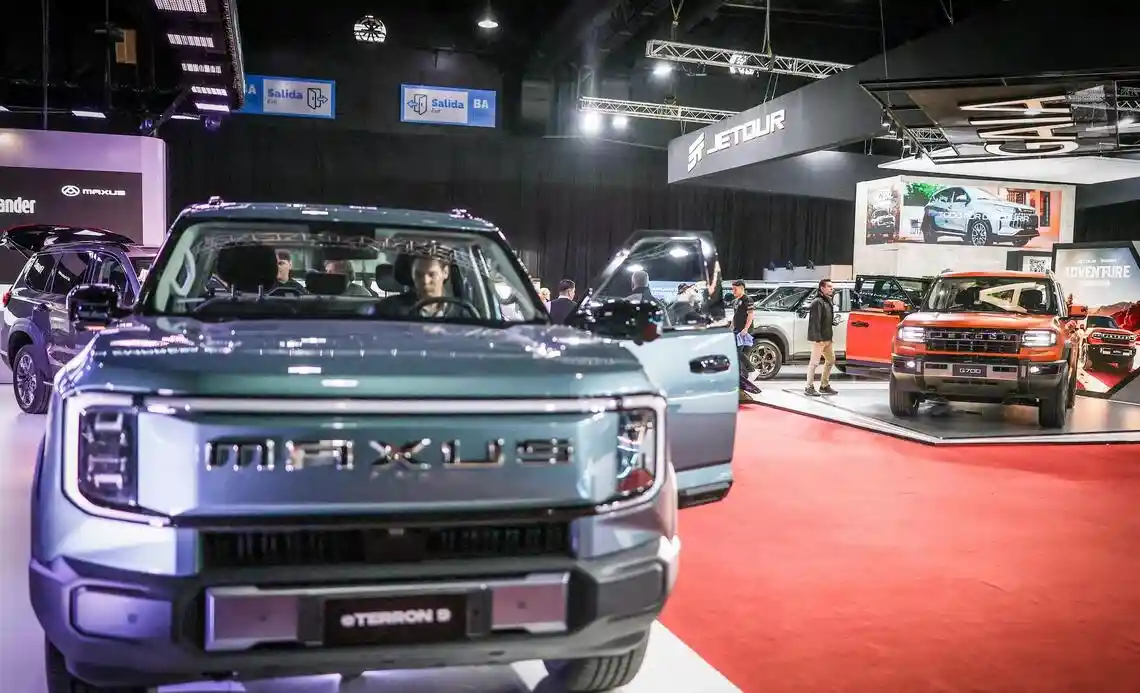
Buenos Aires hosted its first-ever Chinese auto show, showcasing more than 20 Chinese automotive brands including Geely, Chery, Dongfeng and Great Wall. Under President Milei’s administration, Argentina’s automobile sector has shifted away from heavy protectionism toward a more open and competitive marketplace.
As reported by Reuters, the Argentine government has introduced a tariff exemption for up to 50,000 electric and hybrid vehicles this year, which has accelerated the influx of Chinese automakers. Chinese brands accounted for 10% of sales of passenger and light commercial vehicles in Argentina by August, up from just 2% at the end of last year.
BYD, which entered the Argentine market late last year, has become the ninth best-selling car brand locally. The brand already leads electric vehicle sales across Brazil, Colombia, Ecuador and Uruguay.
German Molina, a 3D designer, visited the auto show with his family on 2 October. Already owning a Chinese-made vehicle, he plans to purchase another. “Chinese cars of many different brands are now common on streets and residential areas. It is only a matter of time before they gain broader public acceptance,” he commented.
Facing weak domestic demand, Chinese carmakers are expanding aggressively into Europe, Southeast Asia and South America. Export growth helps offset sluggish sales in the home market. Latest sales figures show BYD delivered over 460,000 units in September, a 17% year-on-year rise. Its overseas volume jumped 153.9% year-on-year to nearly 180,000 units, representing almost 40% of its total monthly sales. Geely sold more than 290,000 vehicles in September, rising 7% year over year. Its exports hit 106,685 units, surging 162% and topping 100,000 for four consecutive months.
The rapid expansion of Chinese automakers in Latin America has raised concerns in some countries. Brazil and Mexico have raised import tariffs to slow Chinese vehicle imports and safeguard local manufacturing jobs.
Milei, a libertarian, holds a different view. In a Bloomberg interview last month, he stated he was not alarmed by BYD’s fast-growing sales and did not see it harming close ties with the United States. “What Argentines buy is Argentina’s own business.”
Tesla is also poised to enter Argentina soon. The firm launched operations in Uruguay in July, and its local subsidiary registration was published in Argentina’s official gazette back in April.
Despite market liberalisation, Argentina’s auto sales have fallen 13% year-to-date. Analysts view this as a correction following a boom after previous trade barrier cuts, with high interest rates weighing on vehicle financing.
Sebastian Beato, president of Argentina’s car dealers association, said competition from Chinese brands has pushed local manufacturers to launch new models such as the Renault Niagara pickup unveiled in September. He warned local producers risk building outdated vehicles without transformation. Andres Civetta, economist at Abeceb, recommends local manufacturers focus on pickups, an export segment with established demand and less competition from Chinese brands.